


 Türkçe
There are no more items in your cart


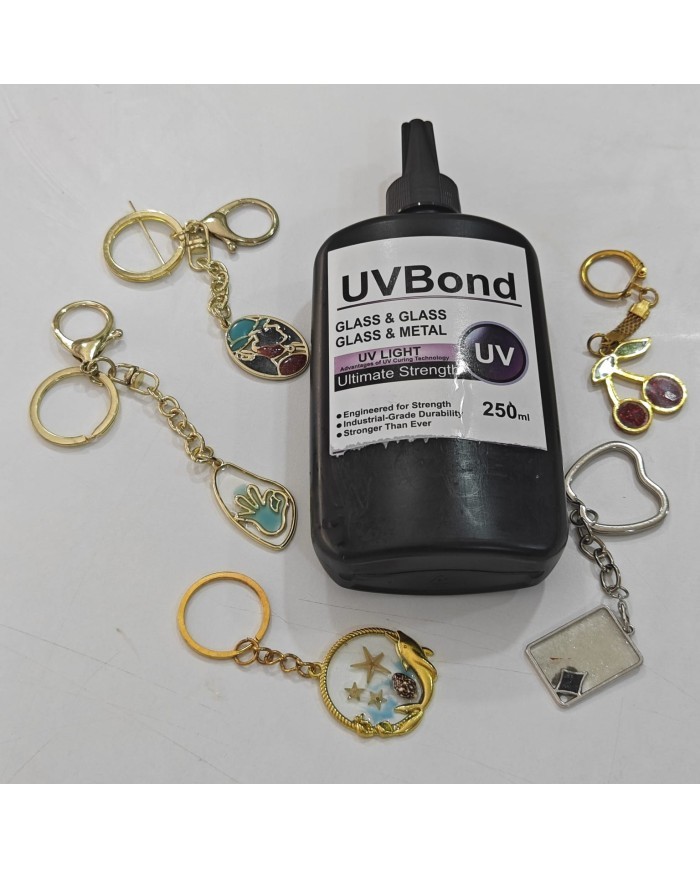
UV resin and UV adhesive are two different chemicals. UV resin is an oligomer used as a solvent and coating, while UV adhesive is a prepolymer of 30-50% acrylate used as an adhesive.
1. UV resin, also known as light-sensitive resin, is an oligomer that can rapidly undergo physical and chemical changes shortly after exposure to light, followed by crosslinking and hardening. It is a light-sensitive resin with relatively low molecular weight, containing reactive groups capable of UV reactions, such as unsaturated double bonds or epoxy groups.
UV resin serves as the matrix resin for UV coatings. Photoinitiators, reactive diluents, and various additives are combined to create UV coatings, including UV water-based coatings, UV powder coatings, UV leather coatings, UV optical fiber coatings, UV metal coatings, UV paper glass coatings, UV plastic coatings, UV wood coatings, and more.
2. UV adhesive consists of main components such as base resin, active monomer, photoinitiator, as well as auxiliary substances like stabilizer, crosslinking agent, and bonding agent. When exposed to UV light of appropriate wavelength, the photoinitiator rapidly generates free radicals or ions, initiating the polymerization and crosslinking of the base resin and active monomer to form a network structure, ensuring bonding of the adhesive material.
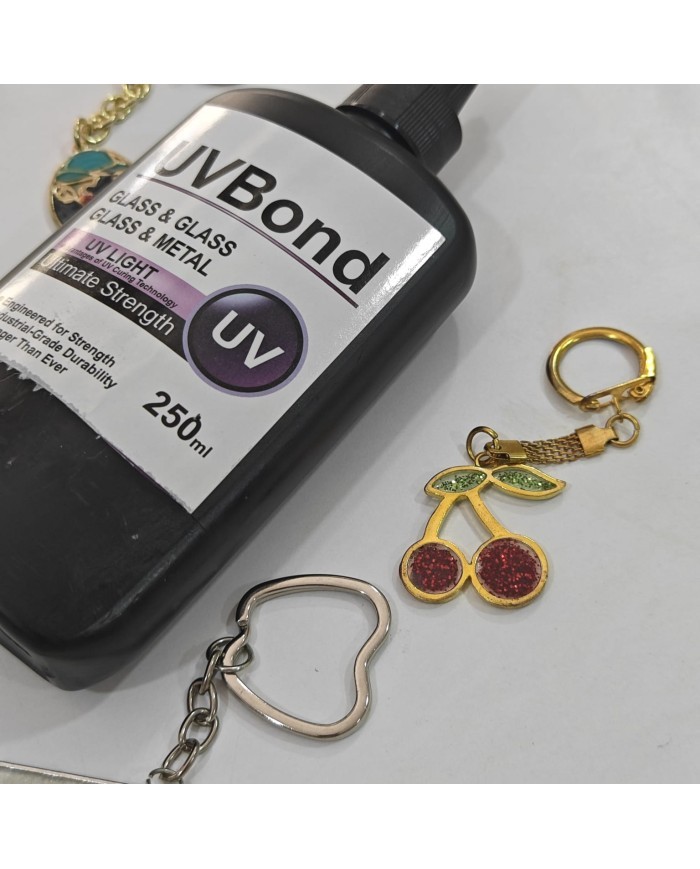
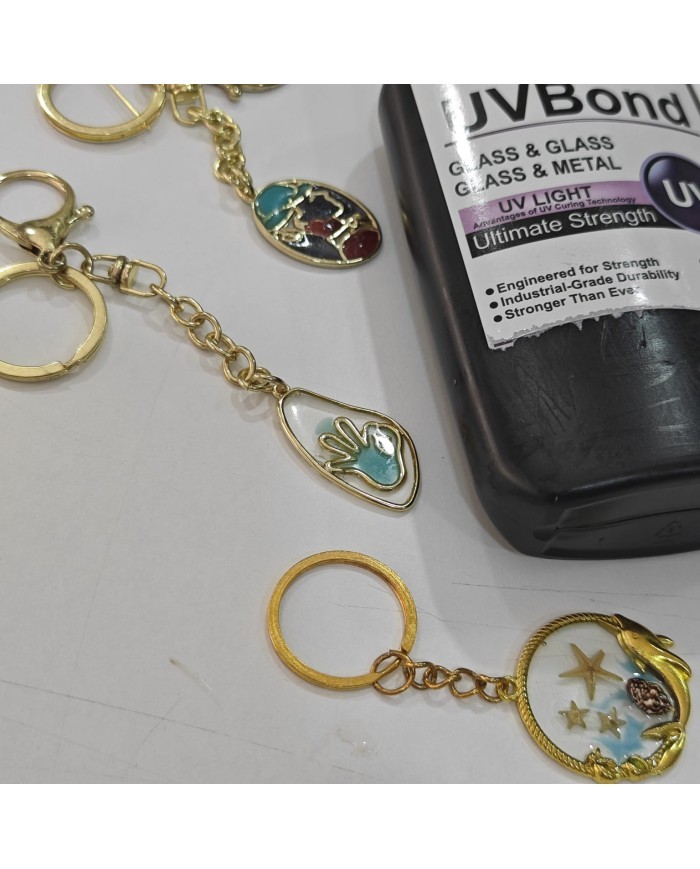
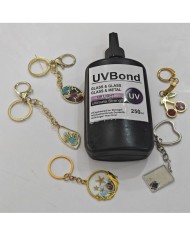
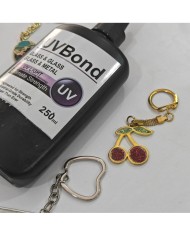
UV adhesive is also known as shadowless adhesive or ultraviolet curing adhesive, mainly used for bonding glass to glass, glass to metal, plastic to metal, plastic to plastic, etc., in various applications such as bonding, coating, protection, sealing, medical equipment assembly (e.g., intravenous infusion tube bonding, injection needle and syringe bonding), bonding of electronic diagnostic devices, and more.
WhatsApp Sipariş
@CUSTOMER_NAME@
@AUTHOR_PROFILE@ @COMMENT_ISO_COUNTRY@@COMMENT_TITLE@
@COMMENT_COMMENT@